
Common Causes of Digestive Issues
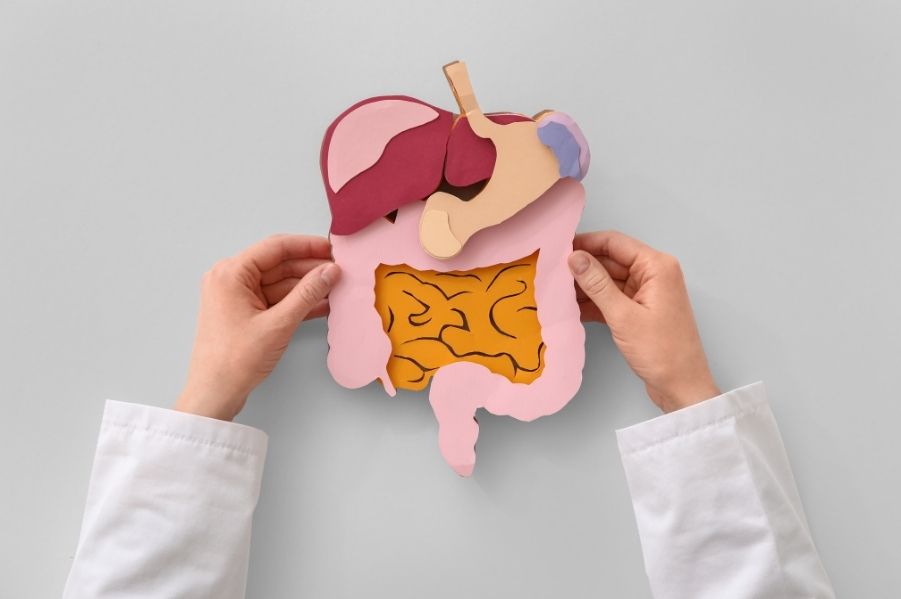 Digestive issues can sneak up on you. One day, you’re enjoying your favorite meal in Cocoa or Melbourne—and the next, you’re hit with bloating, heartburn, or stomach pain that won’t quit. If you’ve been wondering what’s going on with your gut, you’re not alone—and you’re definitely not imagining it.
At Brevard Health Alliance, we see patients every day dealing with uncomfortable and confusing stomach problems. Whether it’s a once-in-a-while issue or a constant battle, your digestive health is worth paying attention to. Fortunately, Many digestive disorders are manageable with the right care.
Let’s take a closer look at the most common causes of digestive problems and what you can do about them.
- Acid Reflux and GERD
If you’ve ever felt a burning sensation in your chest after a meal, you’ve likely experienced acid reflux. It’s incredibly common, but if it happens more than twice a week, it could be a sign of GERD (gastroesophageal reflux disease). Common triggers include:
- Spicy or fatty foods
- Caffeine or alcohol
- Lying down too soon after eating
What to watch for:
Heartburn, regurgitation, chronic cough, or that lump-in-your-throat feeling.
GERD can wear down your esophagus over time, so it’s important to get it checked out. A primary physician can help you identify triggers, adjust your diet, and suggest treatment options that work for your body.
- IBS (Irritable Bowel Syndrome)
IBS is one of the most misunderstood digestive disorders—and one of the most common. It affects how your gut functions, but not necessarily how it looks on tests. That means symptoms are real, even when scans come back “normal.” Symptoms of IBS can include:
- Bloating and gas
- Cramping
- Diarrhea, constipation, or both
- Food Intolerances & Sensitivities
Lactose. Gluten. FODMAPs. There are all kinds of foods that can cause trouble, especially if your digestive system has a hard time breaking them down. Signs you may have a food sensitivity:
- Bloating or gas shortly after eating
- Stomach pain or cramping
- Changes in your bowel habits
The tricky part? These symptoms often show up hours later, making it hard to connect the dots. Your primary physician can help with testing, elimination diets, and tailored advice.
- Peptic Ulcers and Gastritis
Sometimes stomach pain isn’t from food at all—it’s from inflammation or sores in your stomach lining, often caused by bacteria (H. pylori) or too many anti-inflammatory meds like ibuprofen. What it feels like:
- Burning or gnawing pain in your upper stomach
- Nausea or a full feeling after small meals
- Pain that improves when you eat (or gets worse afterward)
If this sounds familiar, don’t wait. These issues can get worse over time. We can do a simple test to find out what’s going on and help you feel better fast.
- Gallstones
Gallstones are small, hardened clumps that can form in your gallbladder—and they’re more common than you might think, especially in women over 40 or people with diets high in fat. Warning signs include:
- Sharp pain in the upper right side of your abdomen
- Nausea or vomiting after a rich meal
- Back or shoulder pain
Gallstone attacks are serious, but treatable.
- Inflammatory Bowel Disease (IBD)
Not to be confused with IBS, IBD includes Crohn’s disease and ulcerative colitis—serious chronic illnesses that cause inflammation in the GI tract. What you might notice:
- Frequent diarrhea
- Fatigue and weight loss
- Blood in your stool
- Ongoing abdominal pain
- Stress and Anxiety
It’s not just “in your head.” Stress and emotions play a huge role in how your gut feels and functions. The brain and gut are deeply connected, so anxiety, depression, or chronic stress can trigger real, physical stomach problems. Common stress-related symptoms:
- Bloating
- Nausea
- Cramping
- Urgency or constipation
Living in a high-stress state can wreak havoc on your gut.
Why Digestive Health Matters More Than You Think
It’s easy to brush off stomach problems as minor or “normal.” But your digestive system is more than just a place food goes—it’s a critical part of your overall health. In fact, many digestive disorders are tied to other health conditions like autoimmune diseases, thyroid issues, or even mental health concerns.
When your gut is out of balance, your entire body can feel it. You might notice mood swings, fatigue, skin issues, brain fog, or even joint pain. That’s because your digestive system is deeply connected to your immune system, your hormones, and your brain.
Ways to Support Your Digestive Health
Most digestive problems are preventable or manageable, especially with early care from a trusted primary physician. Here are a few ways you can support your digestive health every day:
- Eat a Balanced Diet – Prioritize fiber-rich fruits and vegetables, whole grains, and lean proteins.
- Stay Hydrated – Water helps keep your digestive tract moving smoothly.
- Watch Your Stress – Chronic stress can impact gut motility and even change your gut microbiome.
- Move Your Body – Regular exercise supports digestion and reduces inflammation.
- Listen to Your Body – If a food consistently bothers you, take note. Your symptoms are signals—not something to ignore.
And most importantly, don’t be afraid to get help. Whether you’ve been dealing with stomach problems for years or something new just started, your gut is worth taking seriously. A quick visit to your local primary care clinic can lead to real relief.
When to See Your Primary Physician
Here’s the truth: digestive symptoms may feel embarrassing or easy to brush off, but they’re not something you should ignore. Whether you’ve been struggling for years or just started noticing discomfort, your primary care clinic is the best place to start. See your primary physician if you have:
- Ongoing stomach pain or cramps
- Heartburn that won’t go away
- Chronic bloating or gas
- Diarrhea or constipation that keeps coming back
- Blood in your stool or black, tarry stool
- Unexplained weight loss or fatigue
Caring for Your Gut Starts Here
If your stomach’s been talking—and not in a good way—it’s time to listen. At Brevard Health Alliance, we’re proud to offer compassionate, whole-person care that starts with listening. From first symptoms to diagnosis to management, our primary care clinics across Brevard County are equipped to help ease your stomach struggles. Make an appointment with a primary physician at a Brevard Health Alliance location near you and take the first step toward feeling better, for good.
Managing type 1 diabetes requires balancing many factors, but introducing exercise into your routine adds another layer of complexity. Physical…
Many people in Brevard County, FL experience unexplained abdominal pain, fatigue, or bowel changes and wonder: what is IBD? Inflammatory bowel…