
Avoid Hypoglycemia During Exercise With Type 1 Diabetes
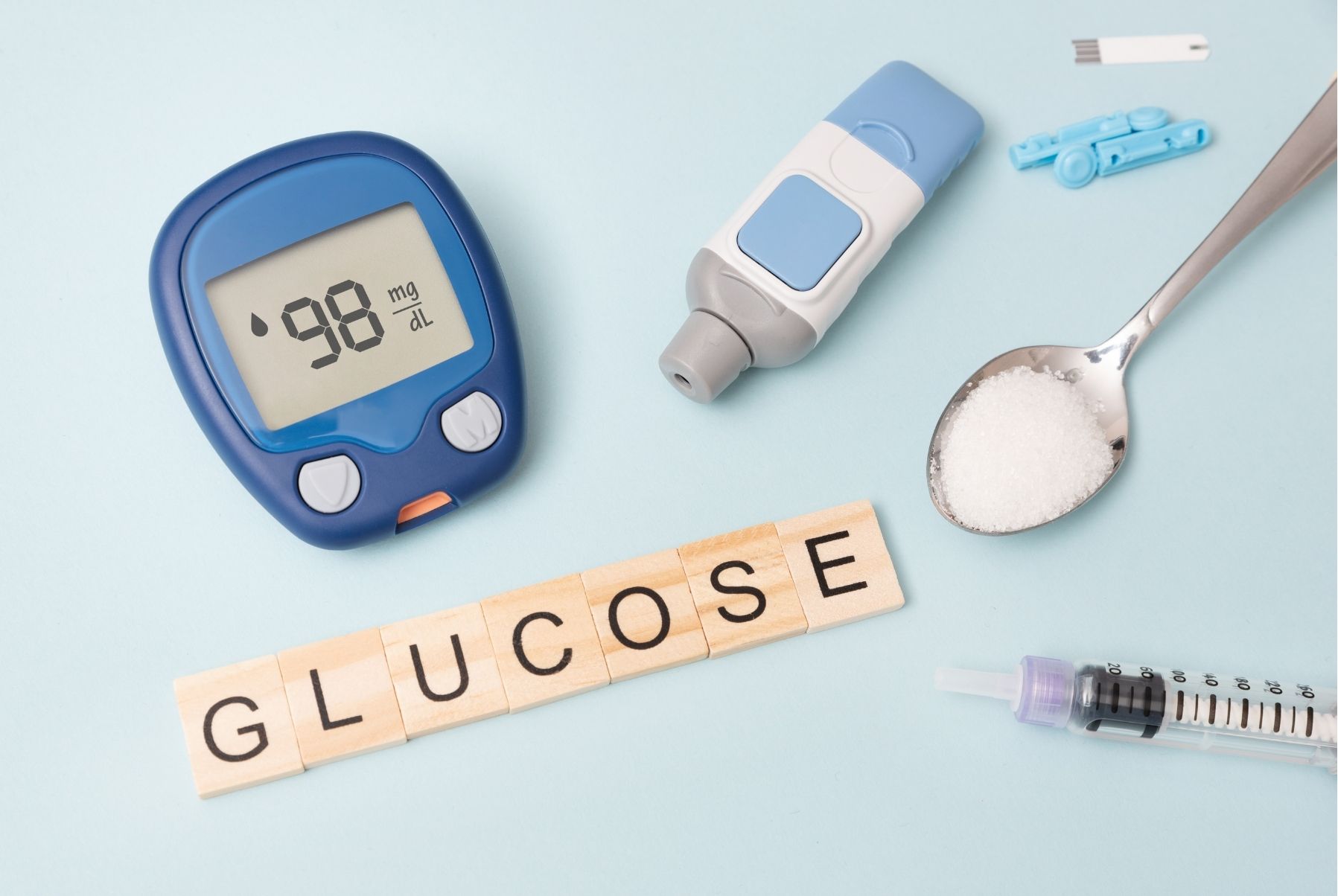
Managing type 1 diabetes requires balancing many factors, but introducing exercise into your routine adds another layer of complexity. Physical activity offers countless benefits, but individuals with type 1 diabetes risk hypoglycemia during or after their workouts. Fortunately, you can stay active without compromising your health with proper planning and guidance. Brevard Health Alliance specializes in helping patients with diabetes lead healthier lives through expert care and support in Brevard County and the surrounding areas. Our team of primary physicians creates personalized plans for diabetes management, allowing individuals to stay active and healthy. This guide will help you understand what hypoglycemia is, why it happens during exercise, and how to manage it effectively.
What Is Hypoglycemia?
Hypoglycemia occurs when blood sugar levels drop below the normal range, typically below 70 mg/dL. While mild hypoglycemia causes symptoms like shakiness, sweating, dizziness, or hunger, severe cases can lead to confusion, unconsciousness, or seizures. For individuals with type 1 diabetes, hypoglycemia is a common side effect of insulin use, especially if meals, activity levels, or insulin doses are not properly balanced.
To better understand hypoglycemia, it’s essential to consider how your body uses glucose. During normal activity, glucose serves as the body’s main energy source, and insulin helps regulate it. However, with type 1 diabetes, insulin therapy can cause blood sugar levels to fall too low, especially if adjustments aren’t made to account for exercise.
Understanding Exercise-Induced Hypoglycemia
Exercise induces hypoglycemia when physical activity lowers your blood sugar levels too much. This happens because exercise increases your body’s sensitivity to insulin and uses glucose for energy at a faster rate. Although the risk doesn’t mean you should avoid exercise, it does mean you need a plan to keep your blood sugar in a safe range. Common triggers for exercise-induced hypoglycemia include:
- Skipping meals or not eating enough before working out
- Taking insulin doses that are too high before activity
- Prolonged or intense workouts
Pre-Workout Foods to Limit Hypoglycemia Risk
The food you eat before exercise plays a critical role in maintaining stable blood sugar levels. But the timing of your meal before exercise also matters. Try to eat a balanced meal with carbohydrates and protein roughly two to three hours before working out, and then have a small snack 30-60 minutes beforehand if needed. Here are some pre-workout meal and snack ideas to help keep hypoglycemia at bay:
- Complex Carbohydrates – Foods like oatmeal, brown rice, and whole-grain bread provide long-lasting energy by releasing glucose slowly.
- Quick Sugars – Eating small servings of fruit like a banana or an apple can give you quick bursts of energy if needed right before exercise.
- Protein and Carbs Combo – Snacks like yogurt with granola, a peanut butter sandwich, or cheese with whole-grain crackers strike a good balance for sustained energy.
- Energy Gels – Energy gels or glucose tablets can be a convenient option to maintain blood sugar during extended physical activity.
The Right Workout to Stave Off Hypoglycemia
Preventing exercise-induced hypoglycemia involves preparation and mindfulness during physical activity. By finding the right workout to stave off hypoglycemia, you can lower your risk while reaping the benefits of movement. Ideal moderate-intensity activities include walking, cycling, and swimming. Here are several essential tips for your workout regimen:
- Check your blood sugar before exercising. Aim for a level in your target range. If your blood sugar is low, eat a small carbohydrate-rich snack.
- Monitor blood sugar regularly during workouts, especially for longer activities. Carry a portable glucose monitor or wear a continuous glucose monitor to keep tabs on your levels.
- Don’t skip meals. Skipping meals can set the stage for hypoglycemia. If you plan to exercise, eat beforehand to fuel your body.
- Adjust your insulin dose. Speak with your primary physician about temporarily reducing your insulin dose before working out.
- Stay hydrated. Proper hydration supports optimal blood sugar regulation during exercise.
- Start slowly and build up. If you’re new to exercising or trying a more intense workout, ease in rather than starting at full steam.
What Happens If You Have Hypoglycemia During Exercise?
Despite careful preparation, hypoglycemia may still occur during physical activity. Recognizing the early signs of hypoglycemia is essential for quick action. Common symptoms include:
- Shakiness or trembling
- Sweating excessively
- Feeling lightheaded or dizzy
- Sudden irritability or confusion
- Rapid heartbeat
How to Treat Exercise-Induced Hypoglycemia
It’s a good idea to always carry a hypoglycemia kit with snacks, glucose tablets, and a blood sugar monitor whenever you exercise. If you experience hypoglycemia while exercising, here’s how to handle it safely:
- Stop Exercising Immediately – Continuing to work out will only lower your blood sugar further.
- Consume Fast-Acting Carbohydrates – Take 15-20 grams of sugar or glucose, such as a glucose tablet, fruit juice, or candy. Check the label to ensure you’re consuming the right amount.
- Recheck Your Blood Sugar After 15 Minutes – Use a glucose monitor to see if your levels have returned to normal. If they’re still low, repeat the process until stabilized.
- Rest Before Resuming – Give your body time to recover before continuing exercise or other activities.
Trust Brevard Health Alliance for Diabetes Management
Managing type 1 diabetes and keeping up with an exercise routine can feel overwhelming, but you don’t have to do it alone. Brevard Health Alliance is here to help. Our expert primary care clinic offers patient-centered diabetes management tailored to you. Whether you need dietary advice, insulin adjustments, or help finding the right workout to stave off hypoglycemia, we’re here for you.
Contact Our Team Today
If you’re ready to take control of your diabetes while enjoying the benefits of regular physical activity, we’re the team to call. Brevard Health Alliance has convenient locations in Brevard County as well as surrounding areas such as Cocoa, Malabar, Palm Bay, Titusville, Melbourne, and Rockledge, FL. Contact us today to schedule an appointment.
Managing weight gain can sometimes feel overwhelming, especially when insulin is part of the equation. But Brevard Health Alliance can help. We…

Digestive issues can sneak up on you. One day, you’re enjoying your favorite meal in Cocoa or Melbourne—and the next, you’re hit with bloating,…