
What Are Thyroid Nodules?
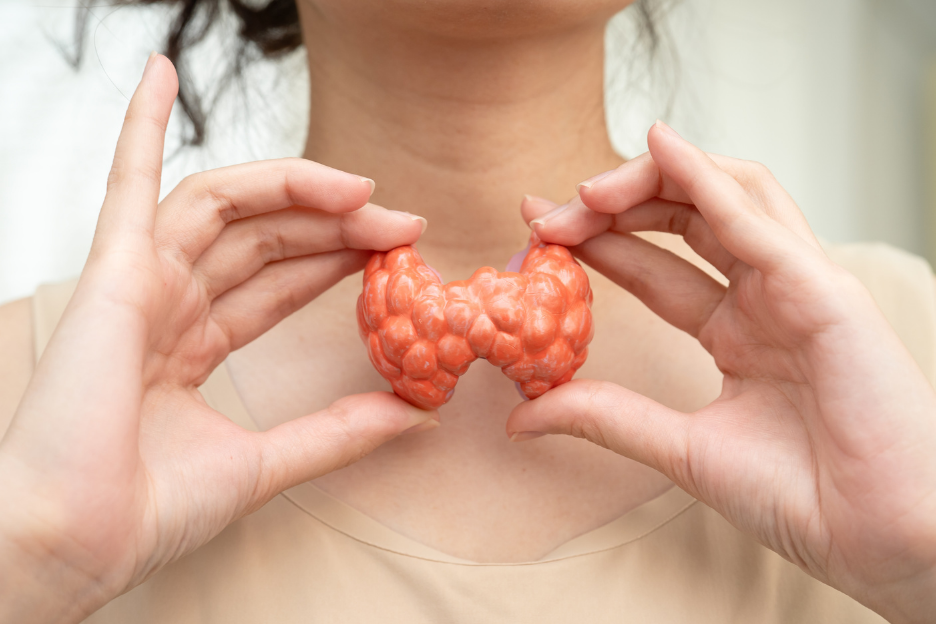
What Are Thyroid Nodules? A Guide for Brevard County
Finding a lump in your neck can be scary, especially if you’ve never heard of a thyroid nodule before. Whether your doctor noticed it during a routine check-up or you felt it yourself while putting on a necklace or shaving, that discovery can lead to a lot of questions and worry.
At Brevard Health Alliance, we want you to feel informed and empowered. If you’re searching “What are thyroid nodules?”, you’re in the right place. Here’s what you need to know.
What Are Thyroid Nodules?
Thyroid nodules are abnormal lumps or growths that form on the thyroid gland, which sits at the base of your neck and helps regulate your body’s metabolism. These nodules can be solid or fluid-filled and range in size from barely noticeable to large enough to see or feel.
Most thyroid nodules are benign (non-cancerous) and don’t cause serious problems. In fact, many people have them and never know it.
What Causes Thyroid Nodules?
There are several reasons you might develop a thyroid nodule:
- Overgrowth of normal thyroid tissue
- Thyroid cysts (fluid-filled)
- Chronic inflammation from conditions like Hashimoto’s thyroiditis
- Iodine deficiency (rare in the U.S.)
- Radiation exposure, especially during childhood
Some people are simply more prone to developing them—women, for example, are much more likely to get thyroid nodules than men.
Woman Thyroid Nodule Symptoms: What to Watch For
Many nodules don’t cause symptoms at all. But if they grow or start affecting your thyroid hormone levels, you might notice:
- A visible lump in your neck
- Tightness or pressure when swallowing or breathing
- Hoarseness or voice changes
- Fatigue, weight changes, or irregular periods
- Feeling too hot or too cold (linked to hormone imbalances)
When to Worry About Thyroid Nodules
Again, most nodules aren’t dangerous. But here’s when you should take action:
- The nodule is growing quickly
- It feels hard or fixed in place
- You have trouble swallowing, speaking, or breathing
- There’s a history of thyroid cancer in your family
- You’ve had radiation treatments to your head or neck
- You’re under 20 or over 70 years old
How Are Thyroid Nodules Diagnosed?
Your primary physician will likely start with a physical exam. If they suspect a thyroid nodule, they may recommend:
- Blood tests to check your thyroid hormone levels
- A neck ultrasound to look at the size and structure of the nodule
- A fine needle biopsy, if the nodule looks suspicious
- Occasionally, a thyroid scan using radioactive iodine
These tools help your care team figure out whether the nodule is harmless, needs to be watched, or should be removed.
Treatment Options for Thyroid Nodules
Treatment depends on what kind of nodule you have. Some options include:
- Monitoring – If the nodule is small and harmless, we’ll keep an eye on it with regular checkups.
- Medication – If your nodule is affecting hormone levels, thyroid medication can help.
- Minimally Invasive Procedures – Such as radiofrequency ablation, to shrink benign nodules.
- Surgery – If the nodule is large, cancerous, or causing symptoms, surgery may be the best option.
No matter the treatment plan, your primary care clinic will walk you through every step.
Can Lifestyle Choices Affect Thyroid Nodules?
While thyroid nodules aren’t always preventable, certain lifestyle factors can play a role in maintaining overall thyroid health. If you’ve been diagnosed with a nodule or are at higher risk (especially as a woman), small everyday changes can support your thyroid function and potentially reduce complications. Here are a few practical tips to support your thyroid health:
- Eat a Nutrient-Rich Diet
Your thyroid needs specific nutrients to function properly. Make sure you’re getting enough:
- Iodine – Important for hormone production, found in iodized salt and seaweed
- Selenium – Found in Brazil nuts, eggs, and fish
- Zinc – Found in pumpkin seeds, beans, and whole grains
- Vitamin D – Supports immune function and hormone balance
Always talk to your primary physician before starting supplements, especially if you already have thyroid issues.
- Manage Stress
Chronic stress can interfere with your endocrine system and may worsen hormonal imbalances. Deep breathing, yoga, or regular walks in the Florida sunshine can make a big difference in your mood and energy levels.
- Avoid Tobacco and Limit Alcohol
Smoking and excessive alcohol can disrupt thyroid hormone metabolism and may worsen autoimmune conditions like Hashimoto’s.
- Get Regular Checkups
Even if you’re feeling fine, annual visits to your primary care clinic can help spot issues early, especially if you’re in a high-risk group. Your provider can track any changes to your thyroid or nodules and recommend timely next steps.
What Makes Brevard Health Alliance Different?
At Brevard Health Alliance, our goal is to make quality healthcare accessible to everyone in Cocoa, Palm Bay, Titusville, Melbourne, Malabar, Rockledge, and surrounding communities.
When you visit one of our Primary Physicians, you’re not just getting a checkup—you’re getting a partner in your health journey. We’ll help you make sense of your symptoms, order the right tests, and connect you with specialists if needed.
We understand that medical questions can feel intimidating. But you don’t have to figure it out alone.
Your Health Comes First
If you’ve been googling “What are thyroid nodules?” or wondering whether you should be worried about that lump in your neck, take that next step. Contact us at Brevard Health Alliance today. We’re proud to serve our neighbors in Cocoa, Palm Bay, Titusville, Melbourne, Malabar, and Rockledge, FL. Your health is worth it—and we’re here when you need us.
Don’t wait until it gets worse. Let a Primary Physician at Brevard Health Alliance give you the answers—and the care—you deserve.
Managing weight gain can sometimes feel overwhelming, especially when insulin is part of the equation. But Brevard Health Alliance can help. We…
Digestive issues can sneak up on you. One day, you’re enjoying your favorite meal in Cocoa or Melbourne—and the next, you’re hit with bloating,…