
Basal Dosing Insulin
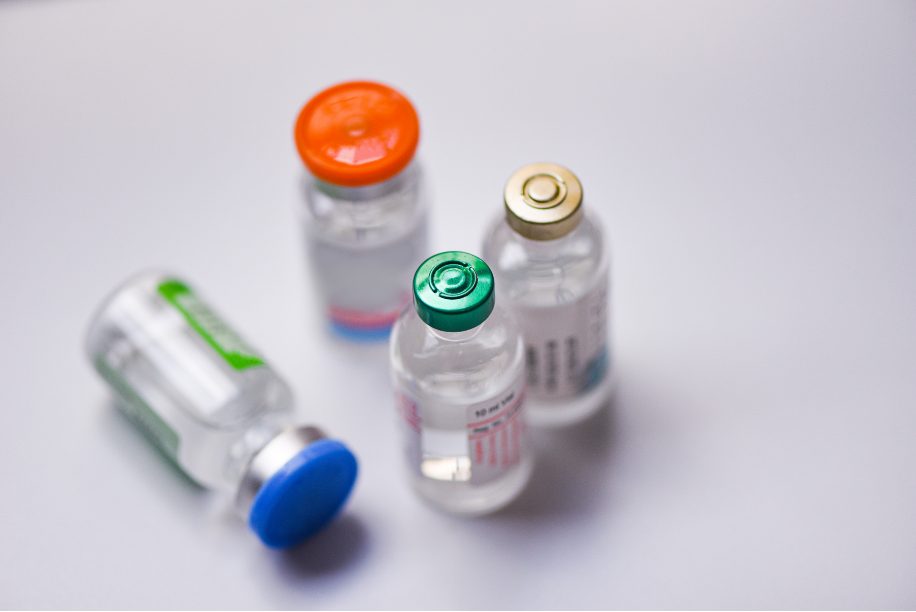
Understanding Basal Insulin Dosing for Diabetes Management
If you’ve recently been diagnosed with diabetes or are looking to better manage your blood sugar levels, you may have heard of basal insulin dosing. This essential tool in diabetes care helps individuals maintain steady blood sugar levels throughout the day and night. Brevard Health Alliance’s skilled diabetic specialists can guide you through the complexities of managing diabetes, including the role of basal insulin dosing. We’ll also collaborate with your primary physician to create a personalized plan that fits your unique lifestyle. Continue reading as we break down everything you need to know about basal insulin dosing and how we can support you in developing the right regimen.
What Is Insulin and Its Role?
Insulin is a hormone produced by the pancreas. Its main job is to help your body use sugar from the food you eat for energy. When you eat, insulin ensures glucose moves from your bloodstream into your body’s cells to fuel your everyday activities.
What Is Insulin Resistance?
Some people have issues with their bodies not responding to insulin as they should. This condition, called insulin resistance, makes it harder for cells to absorb glucose. It can lead to higher blood sugar levels and eventually cause type 2 diabetes. Insulin resistance is often manageable with lifestyle changes, medications, or insulin therapy like basal insulin dosing.
Understanding Basal Insulin Dosing
Basal insulin is also known as background insulin. It works steadily in the background to keep your blood sugar levels stable when you’re not eating, including during sleep. Unlike rapid-acting insulin, which controls blood sugar spikes after meals, basal insulin provides a slow, consistent release. Here are the different types of basal insulins:
- Immediate-Acting Basal Insulins – These insulins, such as NPH (Neutral Protamine Hagedorn), provide coverage for about 12 hours. They’re often taken twice a day to maintain adequate control of blood sugar levels.
- Long-Acting Basal Insulins – Long-acting basal insulins, like glargine (Lantus) and detemir (Levemir), last for about 24 hours. They’re usually given as a once-daily injection to provide stable blood sugar control.
- Ultra-Long-Acting Basal Insulins – Examples like degludec (Tresiba) last up to 42 hours. They offer flexibility and reduce the risk of missing critical doses.
- Weekly Basal Insulins – This newer option provides long-term control with just one injection per week. While not widely available yet, weekly basal insulins are an exciting advancement in making diabetes management even more convenient.
Why Do People with diabetes Need Basal Insulin?
For many individuals with diabetes, the body either doesn’t produce enough insulin or doesn’t use it effectively. Basal insulin mimics the natural, round-the-clock insulin production that a healthy pancreas provides. It ensures your blood sugar doesn’t spike too high when you’re fasting or asleep. Primary care clinics often recommend basal insulin dosing when oral medications or lifestyle changes aren’t enough to control blood sugar. It’s especially helpful for those managing type 1 diabetes or advanced type 2 diabetes.
How Does Basal Insulin Work?
Basal insulin keeps your blood sugar steady between meals and overnight. Once injected, it releases insulin gradually over a set period. This consistent action of basal insulin ensures your blood sugar levels don’t drop too low when fasting or rise too high from the glucose your liver releases into your bloodstream.
What You Need to Know Before Starting Basal Insulin
Before starting basal insulin, it’s essential to work closely with your primary physician or a specialist at a primary care clinic. Partnering with health professionals ensures your insulin regimen is tailored to your needs. Here are some key considerations:
- Dosage – Your doctor will calculate your starting dose based on your weight and blood sugar levels.
- Monitoring – Regularly check your blood sugar levels to see how well the insulin is working.
- Timing – Take your basal insulin at the same time every day to maintain consistent levels.
- Side Effects – Be aware of potential side effects, such as hypoglycemia, which happens if you take too much insulin or skip meals.
Basal Insulin Delivery Systems
Basal insulin can be administered in several ways. Your doctor can help you choose the delivery system that fits your lifestyle and preferences. Among the options are:
- Syringes and Insulin Pens – These are the most common methods and allow for precise dosing.
- Insulin Pumps – An insulin pump is a wearable device that delivers insulin continuously for ultimate convenience.
- Patch Pumps – This newer option sticks discreetly to your skin and eliminates the need for daily injections.
Benefits of Basal Insulin
The benefits of basal insulin dosing go beyond stable blood sugar levels. They include:
- Improved Energy Levels – With steady blood sugar, you’ll feel more energetic throughout the day.
- Reduced Complications – Proper control reduces the risk of long-term diabetes complications, such as nerve or kidney damage.
- Convenience – Options like ultra-long-acting or weekly basal insulins make management easier than ever.
- Better Quality of Life – Basal insulin allows you to focus on your day-to-day life rather than constantly worrying about blood sugar levels.
Brevard Health Alliance Can Help You Develop a Basal Insulin Regimen
Proper diabetes management requires a team effort, and Brevard Health Alliance is here to guide you every step of the way. Our diabetic specialists will collaborate with your primary physician to create a customized regimen that works for you. Whether you’re just starting insulin therapy or hoping to optimize your current plan, we can help.
Contact Our Team in Brevard County Today
Basal insulin is a powerful tool for managing diabetes and living a healthy life. If you’re ready to explore this option or have questions about your dosing, you can count on Brevard Health Alliance. We have convenient locations in Brevard County and surrounding areas such as Cocoa, Malabar, Palm Bay, Titusville, Melbourne, and Rockledge, FL. Contact us today to learn more about our comprehensive services and schedule an appointment.

Understanding Diabetic Kidney Disease and How to Manage It
Diabetic kidney disease (DKD) is a common and serious complication of diabetes.…

Navigating the impacts of diabetes can be overwhelming, but with the right knowledge and tools, it’s possible to live a vibrant and healthy life.…