
Ways to Cope with Miscarriage Depression & Anxiety

Ways to Cope in Florida with Miscarriage Depression & Anxiety
The emotional fallout from a miscarriage can be bewildering, isolating and difficult to cope with. You might be suffering from depression and anxiety in the aftermath of your miscarriage. Brevard Health Alliance is here to offer some insights into how you might be feeling, as well as some tips and advice on what can be done to help.
Miscarriage is a Common Issue
Nearly one in three pregnancies ends in miscarriage. While many potential factors can lead to miscarriage its prevalence belies the emotional impact it has on those affected.
Realizing you aren’t the only person who has gone through this is fundamental. Many, many women have been through this heartbreaking event, and while the emotional responses to it are varied, plenty of people share feelings of grief, sadness and loss.
Can a Miscarriage Cause Depression or Anxiety?
Yes, many experience anxiety and depression as a result of a miscarriage. Everyone deals with the shock differently when their pregnancy ends abruptly with a miscarriage. The weight of hormonal changes that occurred during and post-miscarriage can feel overwhelming.
These are real feelings and appropriate to the experience. The psychological impacts of miscarriage should not be ignored. Acknowledging and dealing with such feelings is a vital part of the healing process.
Depression After a Miscarriage
Miscarriage can result in depression: the loss of a baby can make a woman feel sad, hopeless and empty. She might feel isolated by societal attitudes and misconceptions about miscarriage.
It’s okay to let yourself mourn, lean on loved ones or mental health professionals, and talk about your feelings. Talking about heartbreak can indeed be very healing.
Postpartum Depression After a Miscarriage
Postpartum depression is not always experienced by those who have carried a pregnancy to term: it can also affect a woman who has gone through a miscarriage. The hormonal changes and emotional stress of miscarriage are comparable with those of postpartum depression, which has a similarly predictable effect, including sadness, fatigue and loss of enthusiasm for previously enjoyed activities.
And if, despite yourself, you do suspect that you are already on the path to postpartum depression after miscarriage, see someone. Talk to a health care provider about how to cope with your feelings, learn how to focus on your recovery, and start your journey to healing.
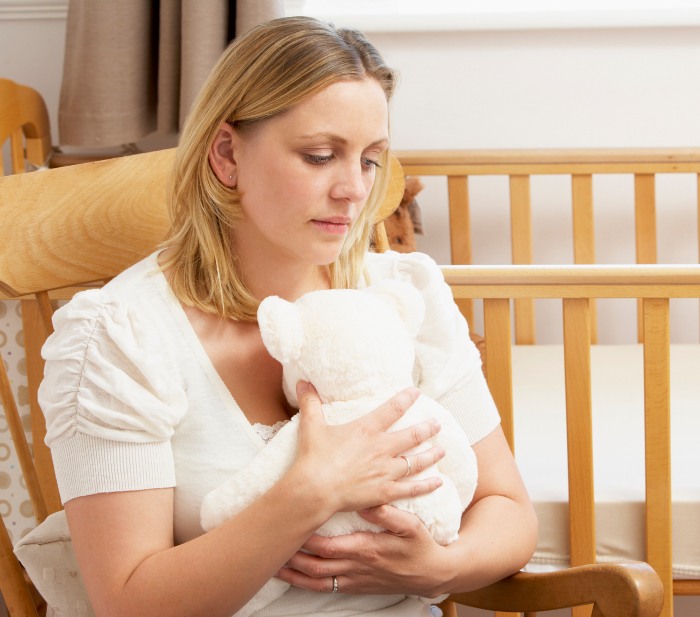
Symptoms of Depression After a Miscarriage
Identifying the symptoms of depression after a miscarriage is the first step toward recovery. Some common symptoms include:
- Persistent sadness or emptiness
- Loss of interest in previously enjoyed activities
- Fatigue and lack of energy
- Changes in appetite or weight
- Difficulty concentrating or making decisions
- Insomnia or sleeping too much
- Feelings of worthlessness or guilt
- Thoughts of self-harm or suicide
If you recognize these symptoms in yourself, reach out for help. There are many resources available to support you through this difficult time.
Tips for Coping with Depression After a Miscarriage
While coping with depression after a miscarriage is deeply personal, here are some strategies that might help:
- Allow yourself to grieve: It’s okay to feel sad, angry, or confused. Give yourself permission to experience these emotions fully.
- Seek support: Talk to friends, family, or join a support group. Sharing your feelings with others who understand can be incredibly comforting.
- Practice self-care: Take time for yourself and participate in activities you enjoy, whether that’s reading, walking, watching, playing, or meditating.
- Professional support: Check in with a psychotherapist or counselor who is experienced working with grief and loss. Working with a counselor who uses evidence-based interventions is best, so ask during the first session if they have experience using various types of cognitive and behavioral interventions to treat grief.
- Keep active: moving around can be beneficial for your mood and finding ways of increasing low levels of activity in early stages of depression is a good strategy. There is evidence that even a short walk of 15 minutes can have an impact.
- Journaling: Sit down and write down your thoughts and feelings.
When to Seek Professional Help
You might be depressed (which is normal after a miscarriage), but your depression could be more than just in response to the loss. It can warrant professional intervention if it continues or gets worse. If any of the following applies to you, ask for help.
- Inability to perform daily activities
- Persistent thoughts of self-harm
- Extreme feelings of hopelessness or despair
- Withdrawal from loved ones
Professional assistance can take many forms, from a counselor and support group to medication. If you’re feeling overwhelmed, consider reaching out to a mental health professional.
How to Support Someone Who Has Experienced a Miscarriage
Helping a loved one through a miscarriage is not always easy. Here are some ways that you can offer your support.
- Listen: Sometimes, the best you can do is listen – let them talk about their feelings. Don’t judge.
- Do be there: Just being there is a great help. And if you can assist with daily chores or just relax together, all the better.
- Validate their feelings: Recognize that their feelings are valid and significant. Stay away from platitudes or dismissal.
- Support professional help: Gently encourage them to receive professional help if they appear consumed by their emotions.
- Check-in: Offer support even when the acute shock of the crime or loss has begun to fade Grief often takes time.
Get More Tips from Brevard Health Alliance
Coping with the depression and anxiety that can follow a miscarriage is a complex and deeply personal journey. Understanding the emotional impact, recognizing the symptoms, and knowing when to seek help are key steps in this process.
Remember, you don’t have to go through this alone. Reaching out to loved ones, seeking professional support, and allowing yourself to grieve are all important parts of healing. If you need further assistance, contact Brevard Health Alliance at 321-241-6800 or visit our contact page for comprehensive support.
By taking these steps, you can begin to find strength and resilience in the face of loss, and eventually, move forward with hope and healing.

High blood pressure—also called hypertension—is one of the most common chronic conditions in the United States, affecting nearly half of all…

Get Ahead of Flu Season: Why September is the Best Time for Your Flu Shot in Brevard County
Every year, the flu sweeps through communities, and…