
The Pneumococcal Vaccine: Protecting Children From Serious Infections
 The Pneumococcal Vaccine: Protecting Children From Serious Infections
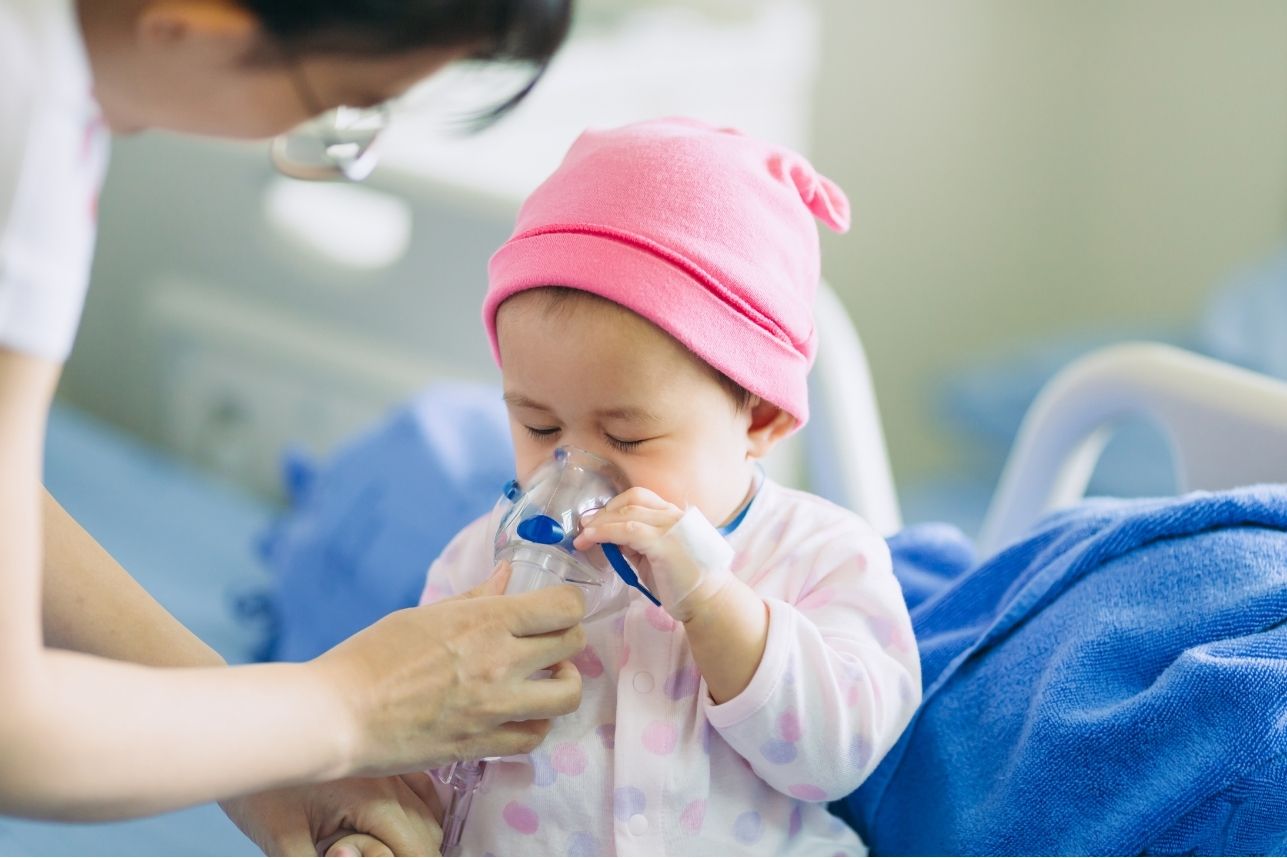
When parents think about childhood illnesses, ear infections and pneumonia often come to mind. What many don’t realize is that the bacteria behind these common conditions can also cause life-threatening infections — especially in babies and young children.
One of the most important tools we have to protect children from these infections is the pneumococcal vaccine. As a pediatrician, I’ve seen firsthand how dramatically this vaccine has reduced hospitalizations and severe complications in young patients.
At Brevard Health Alliance (BHA), we believe education builds confidence. Understanding why the pneumococcal vaccine matters can help parents feel assured they’re taking an important step to protect their child’s health.
What Is Pneumococcal Disease?
Pneumococcal disease is caused by Streptococcus pneumoniae bacteria. These bacteria are common and often live in the nose and throat without causing illness. But in young children, they can spread quickly and lead to serious infections.
Pneumococcal infections can cause:
- Ear infections
- Pneumonia
- Bloodstream infections (bacteremia)
- Meningitis, an infection of the brain and spinal cord
Infants and toddlers are especially at risk because their immune systems are still developing. When pneumococcal disease becomes invasive, it can progress rapidly and require hospitalization.
What Childhood Vaccination Changed
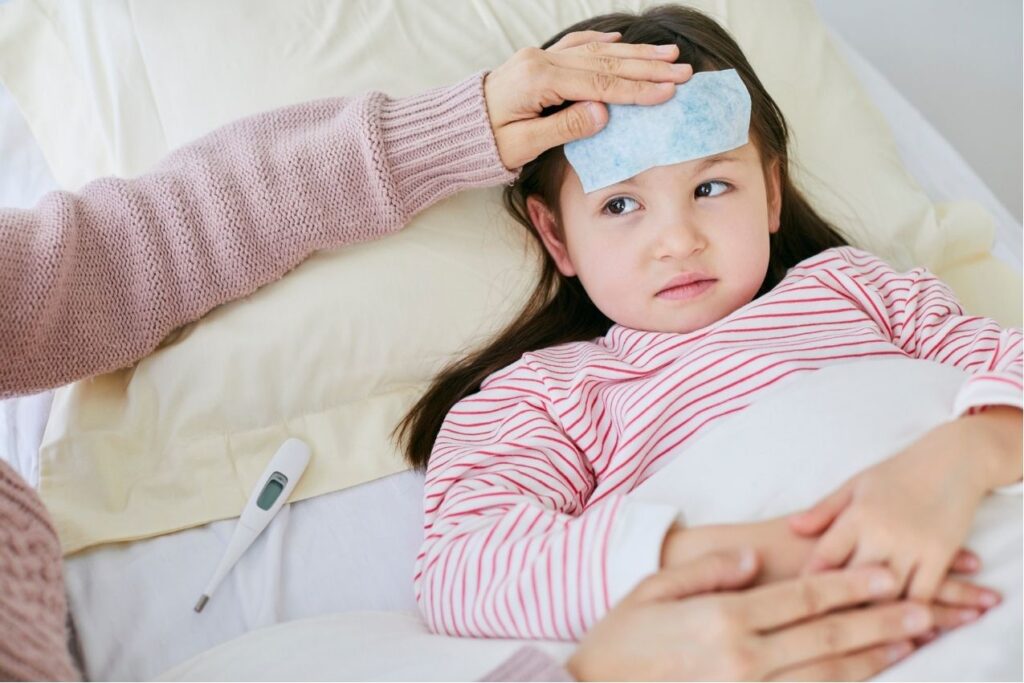
Before the pneumococcal vaccine became routine, thousands of children in the U.S. were hospitalized each year with severe infections caused by this bacteria. Pneumococcal meningitis, in particular, could result in long-term complications such as hearing loss, learning difficulties, or worse.
Since the introduction of pneumococcal conjugate vaccines, rates of serious pneumococcal disease in children have dropped dramatically. Pediatricians now see far fewer cases of invasive infections — a change that reflects how effective this vaccine has been in everyday practice.
Dr. Wendy Lockhart, Chief of Pediatrics at Brevard Health Alliance, explains:
“The pneumococcal vaccine has significantly reduced serious ear infections, pneumonia, and meningitis in young children. It’s one of the reasons we see far fewer hospitalizations today than we did years ago.”
The Pneumococcal Vaccine Schedule: What Parents Should Expect
The pneumococcal vaccine used in childhood (commonly PCV) is part of the routine immunization schedule recommended by pediatric experts and supported by the Centers for Disease Control and Prevention.
Recommended schedule for infants and toddlers:
| Dose | Age |
| Dose 1 | 2 months |
| Dose 2 | 4 months |
| Dose 3 | 6 months |
| Booster | 12–15 months |
This schedule is designed to protect children during the ages when they are most vulnerable. If a child starts vaccines late or misses a dose, pediatric providers can safely follow a catch-up schedule.
Why the Pneumococcal Vaccine Is So Important in Early Childhood
For young children, pneumococcal disease can escalate quickly. What begins as a mild ear infection can, in some cases, spread to the lungs or bloodstream.
Vaccination helps:
- Prevent severe ear infections that can affect hearing
- Reduce the risk of pneumonia and meningitis
- Lower the chance of hospitalization
- Protect children during their most vulnerable years
By vaccinating early, parents help ensure their child’s immune system is prepared before exposure occurs.
Is the Pneumococcal Vaccine Safe?
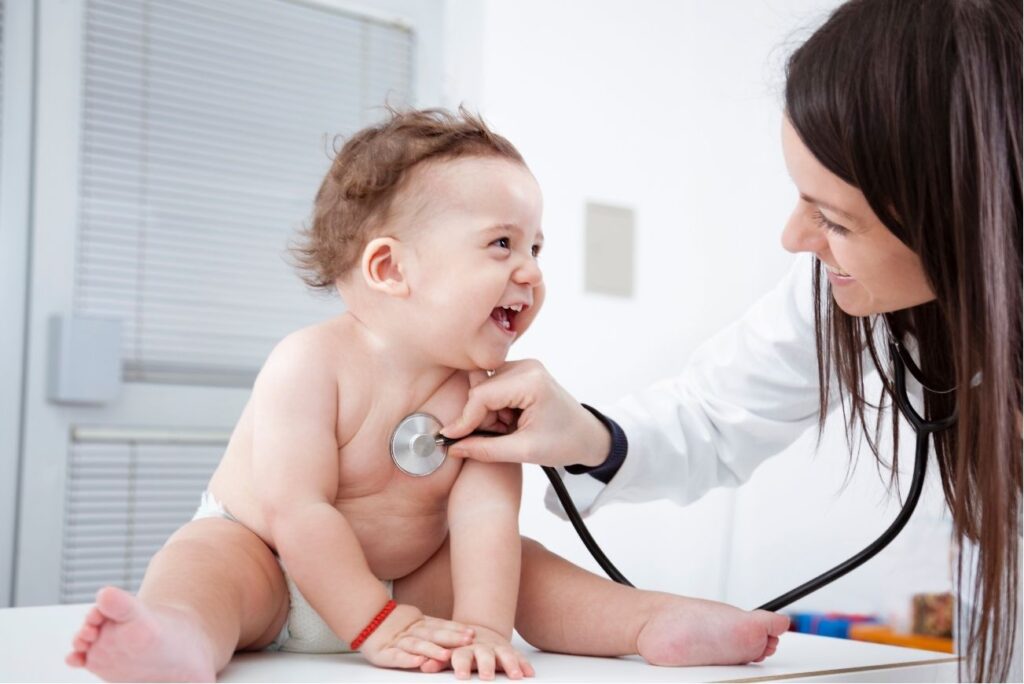
Yes. The pneumococcal vaccine has been used for many years and has a strong safety record. Like other routine childhood vaccines, most side effects are mild and temporary.
Common side effects may include:
- Soreness or redness at the injection site
- Mild fever
- Fussiness for a short period
Dr. Lockhart reassures parents:
“This vaccine has been studied extensively and used safely in millions of children. The protection it offers far outweighs the short-term discomfort that some children experience.”
What If My Child Is Behind on Vaccines?
If your child has missed doses, you’re not alone — and it’s never too late to catch up. Pediatric providers can create a personalized catch-up schedule to ensure your child receives the protection they need.
“There’s no judgment,” says Dr. Lockhart. “Our goal is simply to get children protected as safely and efficiently as possible.”
Talking With Your Pediatric Provider
If you have questions about the pneumococcal vaccine, your child’s provider can help walk you through the details. Consider asking:
- How does this vaccine protect my child right now?
- What illnesses does it help prevent?
- How does it fit into my child’s overall immunization plan?
Open conversations help families feel confident and informed.
Brevard Health Alliance Is Here to Support Your Family
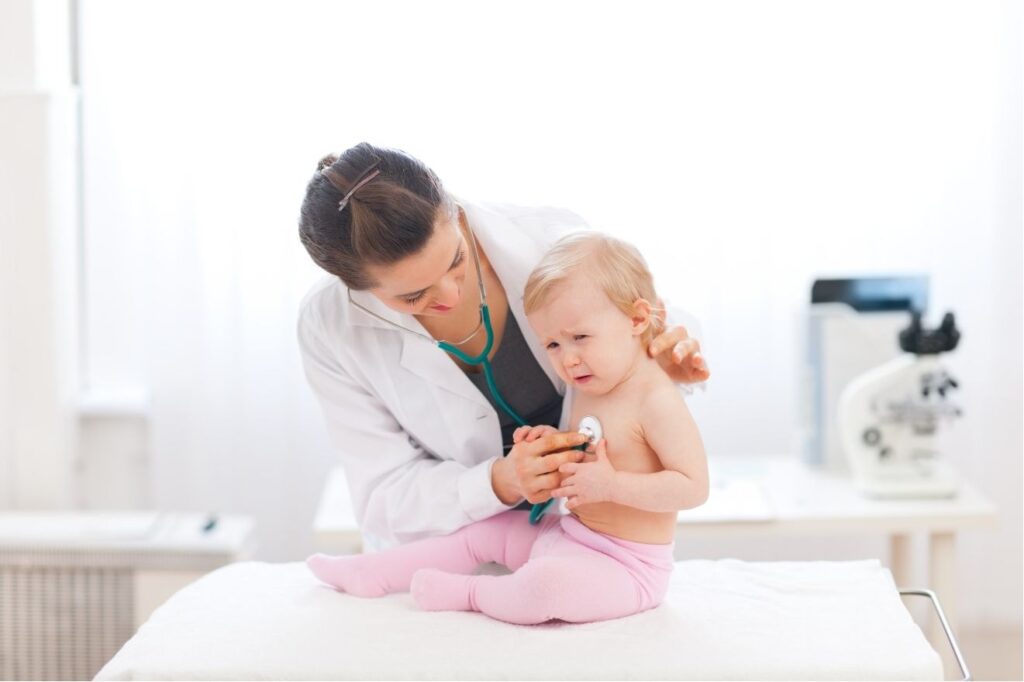
At Brevard Health Alliance, our pediatric team is committed to providing evidence-based, compassionate care for children at every stage of development. Preventive services — including routine vaccinations — are a key part of keeping kids healthy and thriving.
Whether you’re scheduling your baby’s first well-child visit or checking on your child’s immunization status, we’re here to help guide you every step of the way.
Final Thoughts From a Pediatrician
The pneumococcal vaccine is one of the quiet successes of modern pediatrics. It doesn’t just prevent ear infections — it protects children from serious, sometimes life-threatening illness during the years when they need protection the most.
By staying on schedule, families help ensure that pneumococcal disease remains something today’s children rarely experience.

Wendy Lockhart is our Chief of Pediatrics and a Board Certified Pediatrician providing care to our young patients. She holds a Doctor of Medicine Degree from the University of South Florida and completed her Residency at Greenville Hospital System in Greenville, South Carolina.
Chickenpox is often remembered as a routine childhood illness — itchy spots, a week home from school, and then life back to normal. But as a…

High blood pressure—also called hypertension—is one of the most common chronic conditions in the United States, affecting nearly half of all…