
The Chickenpox Vaccine: Why Protection Still Matters for Children
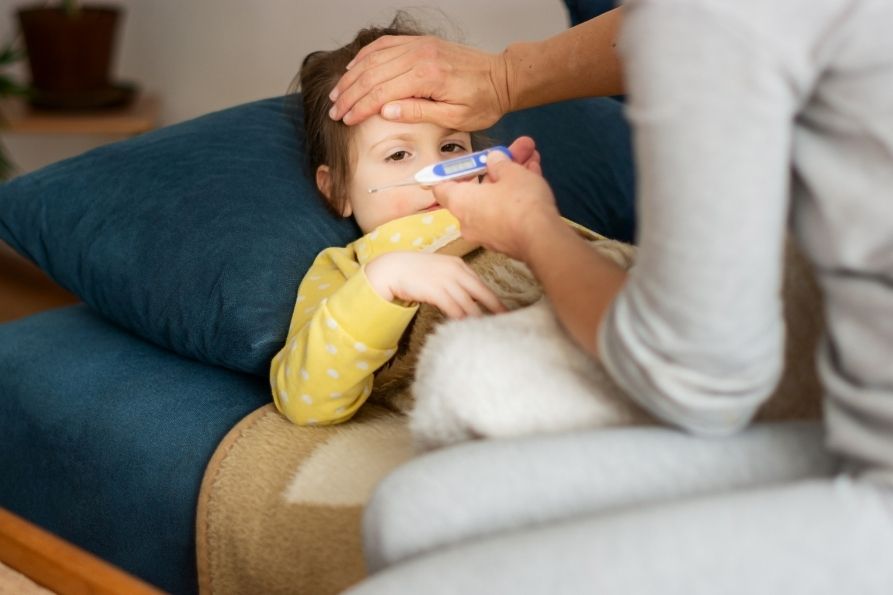 Chickenpox is often remembered as a routine childhood illness — itchy spots, a week home from school, and then life back to normal. But as a pediatrician, I know that chickenpox was not always so simple. Before vaccination, it caused thousands of hospitalizations every year and, in some cases, life-threatening complications.
Today, the chickenpox vaccine has transformed what used to be a near-universal childhood infection into a largely preventable disease. Understanding why this vaccine is still important can help parents make confident, informed decisions about their child’s care.
At Brevard Health Alliance (BHA), we believe prevention is one of the most powerful tools we have to keep children healthy.
What Is Chickenpox?
Chickenpox is caused by the varicella virus and spreads easily through the air or direct contact with fluid from the blisters. It often starts with fever, fatigue, and loss of appetite, followed by an itchy rash that turns into fluid-filled blisters.
While many children recover without complications, chickenpox can lead to serious illness — especially in infants, young children, and those with developing immune systems.
Complications can include:
- Skin infections from scratching
- Pneumonia
- Brain inflammation (encephalitis)
- Hospitalization
Before vaccination became routine, nearly every child in the U.S. got chickenpox, and severe outcomes were far more common than many people realize.
How the Chickenpox Vaccine Changed Children’s Health
The chickenpox vaccine was introduced in the United States in the mid-1990s. Since then, childhood chickenpox cases have dropped by more than 90%, along with dramatic reductions in hospitalizations and complications.
Children who do get chickenpox after vaccination usually experience a much milder illness — fewer spots, lower fever, and faster recovery.
Dr. Wendy Lockhart, Chief of Pediatrics at Brevard Health Alliance, shares:
“The chickenpox vaccine turned what used to be a nearly universal childhood illness into something most kids today will never experience. That’s a major success in pediatric care.”
The Chickenpox Vaccine Schedule: What to Expect
The chickenpox vaccine is part of the routine childhood immunization schedule recommended by pediatric experts and supported by the Centers for Disease Control and Prevention.
Recommended schedule:
| Dose | Age |
| Dose 1 | 12–15 months |
| Dose 2 | 4–6 years |
Two doses provide strong, long-lasting protection. If a child starts vaccination later than recommended or misses a dose, providers can safely follow a catch-up schedule.
Why Vaccination Is Better Than “Natural Infection”
Some parents wonder whether it’s better for children to “just get chickenpox.” From a medical perspective, vaccination is the safer option.
Natural infection carries unpredictable risks, including severe complications that can’t be anticipated ahead of time. Vaccination offers protection without exposing a child to those risks.
The vaccine helps:
- Prevent serious complications
- Reduce missed school and parental work absences
- Protect infants and others who cannot be vaccinated
- Keep outbreaks from spreading in schools and communities
Is the Chickenpox Vaccine Safe?
Yes. The chickenpox vaccine has an excellent safety record and has been used for decades. Most side effects are mild and temporary.
Common side effects may include:
- Soreness or redness at the injection site
- Mild fever
- A small rash near the injection site
Dr. Lockhart reassures families:
“Parents often worry about side effects, but this vaccine has been studied extensively. The protection it provides far outweighs the mild, short-term reactions we sometimes see.”
What If My Child Missed a Dose?
If your child hasn’t received both doses of the chickenpox vaccine, it’s not too late. Pediatric providers can create a personalized catch-up plan to ensure your child gets protected.
“There’s no judgment,” says Dr. Lockhart. “Our focus is simply on keeping children safe and healthy.”
Talking With Your Child’s Provider
If you have questions, your pediatric provider is the best resource. You may want to ask:
- How does the chickenpox vaccine protect my child long-term?
- What happens if my child is exposed before being fully vaccinated?
- How does this vaccine fit into the overall immunization schedule?
Open conversations help parents feel informed and confident.
Brevard Health Alliance Is Here for Your Family
At Brevard Health Alliance, our pediatric team is committed to providing evidence-based, compassionate care. Routine vaccinations — including the chickenpox vaccine — are a key part of helping children grow up healthy and protected.
Whether you’re scheduling a well-child visit or checking your child’s immunization status, our team is here to support your family.
Final Thoughts From a Pediatrician
The chickenpox vaccine is a powerful example of how prevention changes lives. What once caused widespread illness and hospitalization is now largely preventable.
By keeping children vaccinated, families help ensure that chickenpox remains a disease most kids never have to experience.

Wendy Lockhart is our Chief of Pediatrics and a Board Certified Pediatrician providing care to our young patients. She holds a Doctor of Medicine Degree from the University of South Florida and completed her Residency at Greenville Hospital System in Greenville, South Carolina.

The Pneumococcal Vaccine: Protecting Children From Serious Infections
When parents think about childhood illnesses, ear infections and…

High blood pressure—also called hypertension—is one of the most common chronic conditions in the United States, affecting nearly half of all…