
How Remote Blood Pressure Monitoring Is Transforming Hypertension Care
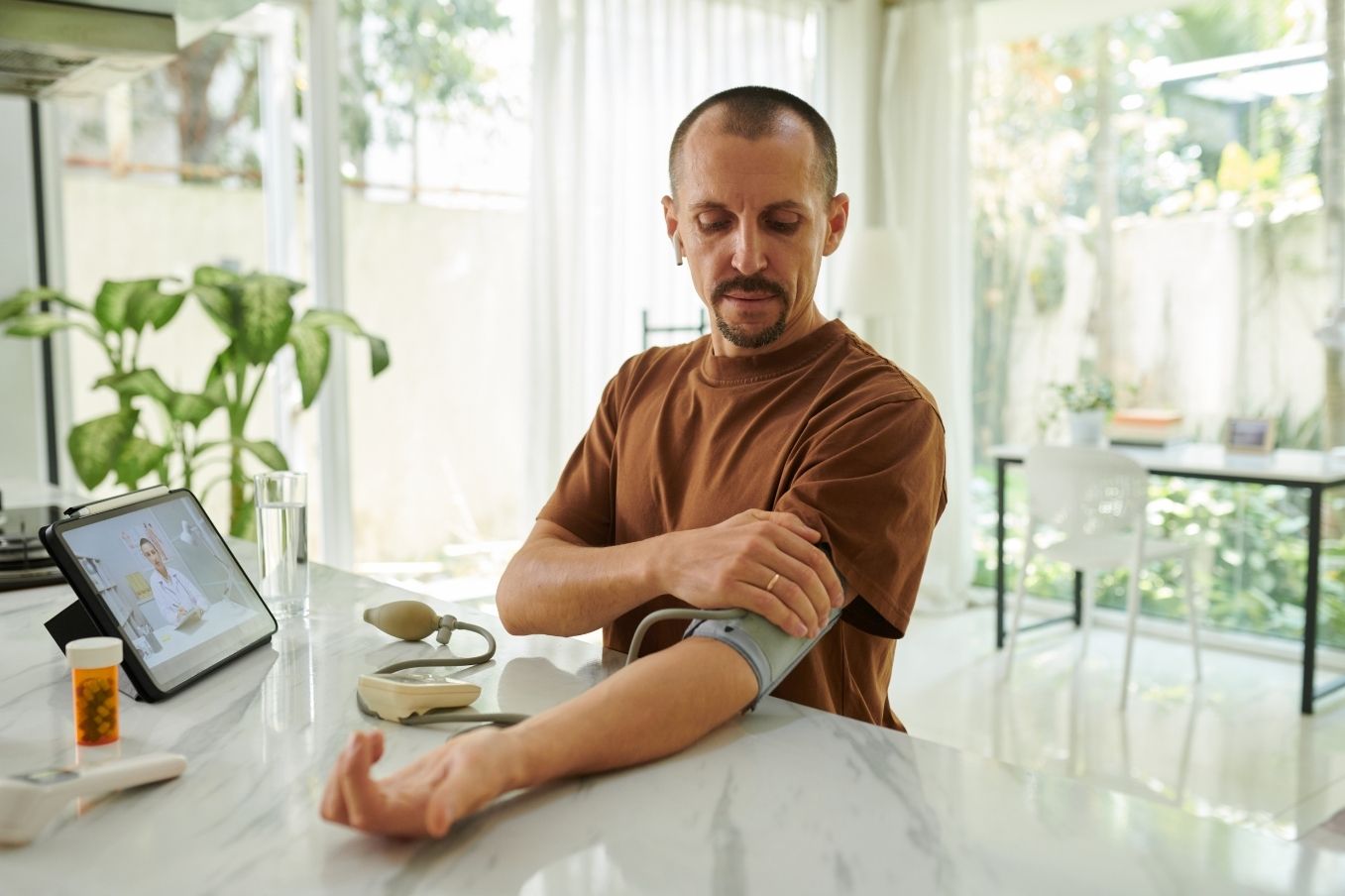 High blood pressure—also called hypertension—is one of the most common chronic conditions in the United States, affecting nearly half of all adults. But what many people don’t realize is that a single blood pressure reading taken during a clinic visit doesn’t always tell the full story. Stress, rushing to an appointment, or even “white coat syndrome” can cause temporary spikes. On the other hand, some people have normal readings in the office but higher pressures at home.
At Brevard Health Alliance (BHA), our goal is simple: provide the most accurate, compassionate, and effective care possible. That’s why our care teams launched a Remote Patient Monitoring (RPM) initiative using Rimidi Bluetooth-enabled blood pressure cuffs. This program helps us understand true blood pressure patterns, make better medication decisions, and ultimately improve the health of our community—one patient at a time.
Understanding the Need for Better Blood Pressure Data
Historically, blood pressure decisions have relied heavily on brief in-office readings. While valuable, these readings present challenges:
- They may not reflect how blood pressure behaves throughout the day.
- Patients can be over- or under-medicated based on inaccurate snapshots.
- It can take months of follow-up visits to understand whether medications are working.
Because hypertension is a major risk factor for heart attack, stroke, and kidney disease, identifying accurate blood pressure patterns is critical—not just for treatment, but for prevention.
Remote Patient Monitoring allows us to see what is happening when patients are going about their daily lives, giving our providers a clearer picture of each patient’s health.
The Goal: Improve Hypertension Control and Quality of Care
BHA launched the Rimidi RPM initiative with two main goals:
- Improve patient care by understanding real blood pressure levels outside the clinic, reducing medication errors, and allowing timely adjustments.
- Strengthen BHA’s performance on key quality measures, including the federal Uniform Data System (UDS) metric for hypertension control.
By integrating real-time monitoring into daily patient care, we aimed to help patients achieve healthier blood pressure levels while simplifying the care process for both patients and providers.
How the Program Works
Enrollment and Training
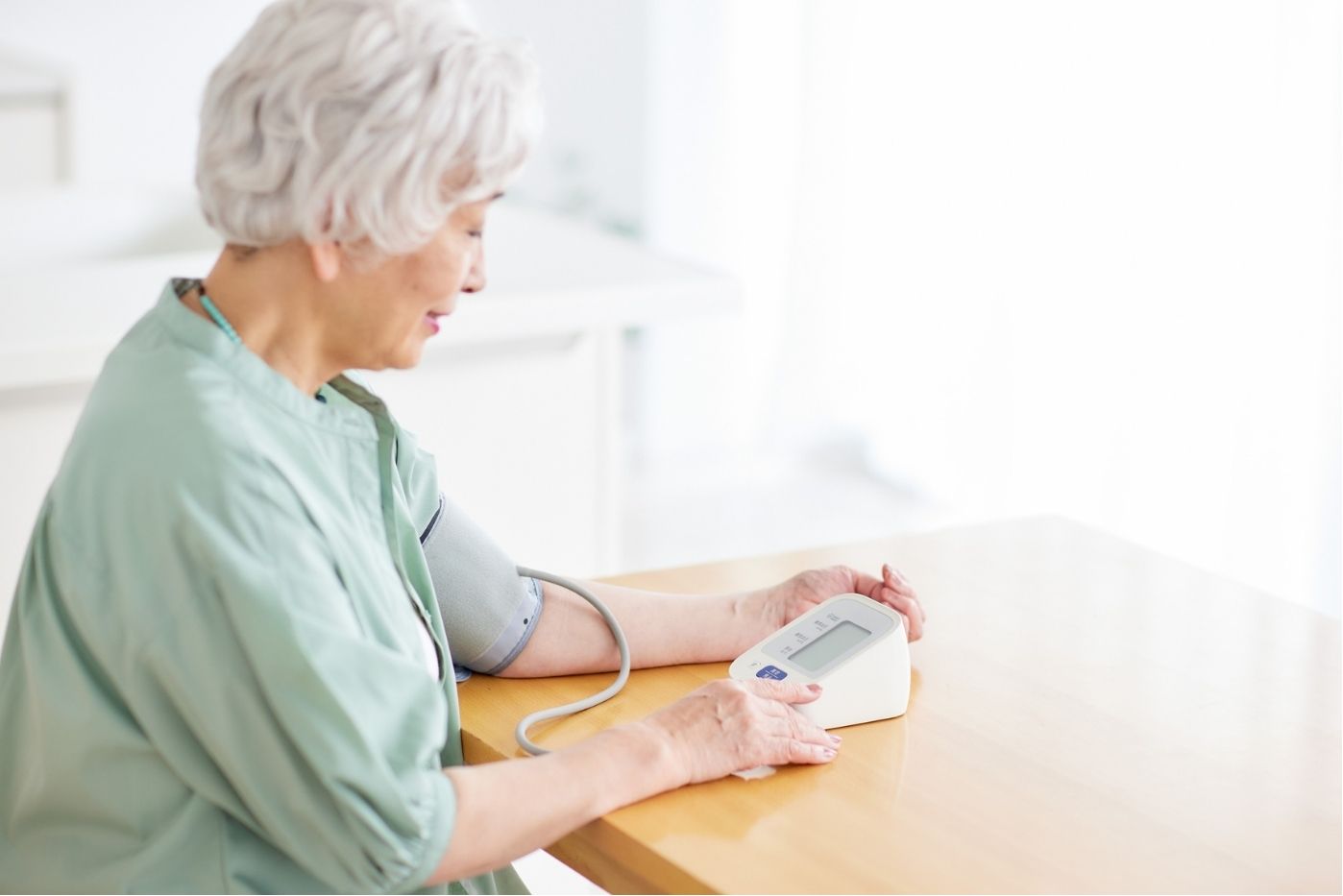
Patients with diagnosed hypertension—or those whose in-office readings consistently exceeded 140/90—were invited to join the program. Each patient received a Rimidi blood pressure cuff, along with personalized training on:
- How to take accurate readings at home
- How often to measure their blood pressure
- What to do if readings were consistently high
- How remote monitoring helps guide their care
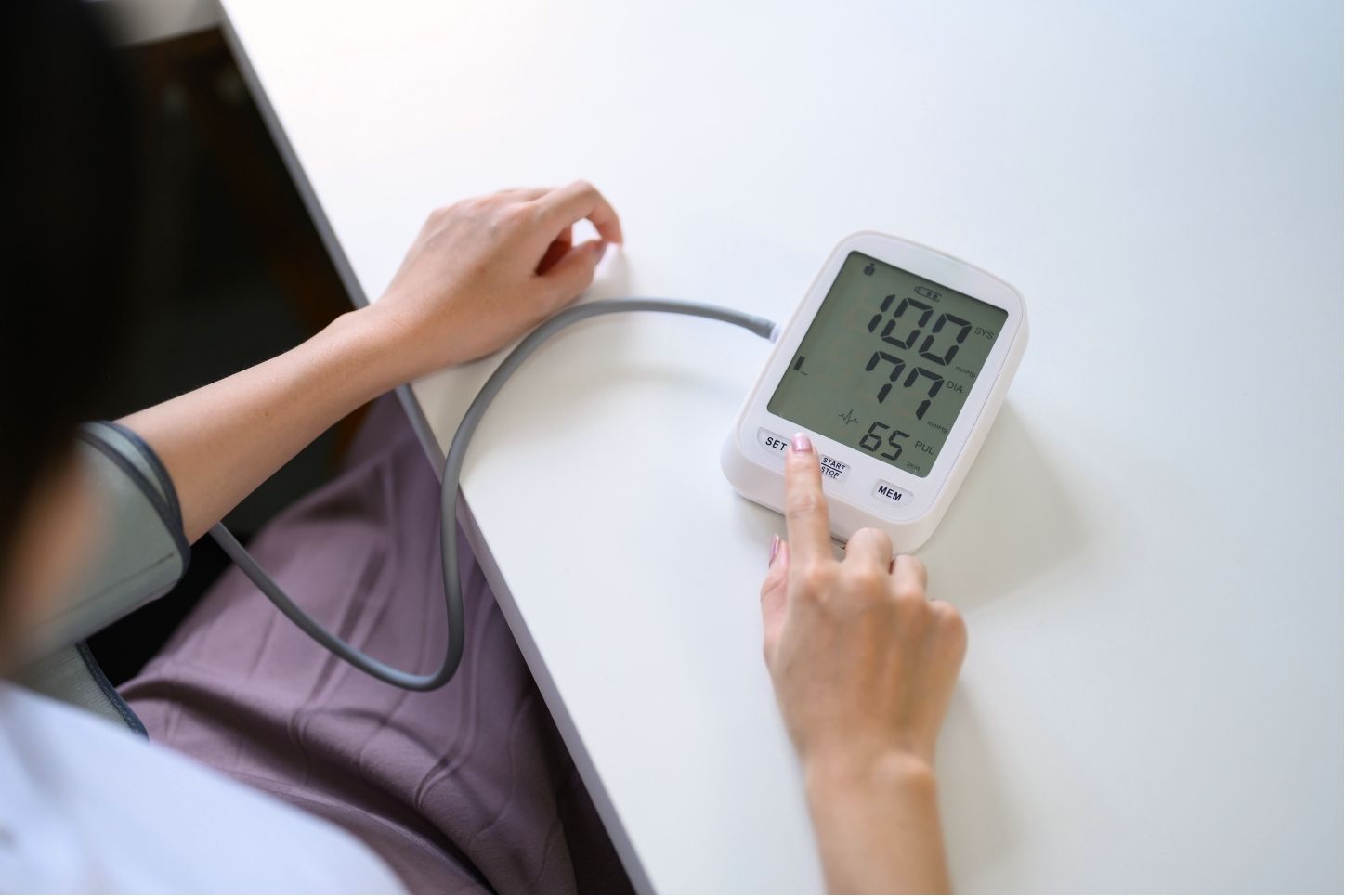
The program is simple: patients measure their blood pressure at home, and the data automatically sends to their BHA care team through a secure online platform.
Dedicated Monitoring by an LPN
A licensed practical nurse (LPN) oversees the program, reviewing home readings daily and keeping each patient connected to their provider. The LPN:
- Checks readings in real time
- Reaches out if readings are consistently high or low
- Coordinates medication changes with providers
- Provides monthly check-ins by phone or text to support healthy habits, medication compliance, and device use
This hands-on approach helps patients feel supported and connected to their care team between visits.
Strong Early Results: What We Learned
The first five months of the program included:
- 158 patients enrolled
- 97% of participants achieving controlled blood pressure (<140/90)
- High engagement and consistent use of the remote BP cuffs
These results demonstrate how impactful home readings can be when paired with supportive care.
Why Engagement Matters
Because uncontrolled hypertension rarely improves without consistent monitoring, our RPM initiative also looked at how often patients used their devices. Tracking engagement helped us understand:
- Which patients might need additional education
- Whether technology issues were preventing successful participation
- Where to focus future improvements
The data showed strong engagement across nearly all enrolled patients, a sign that RPM is both accessible and beneficial for our community.
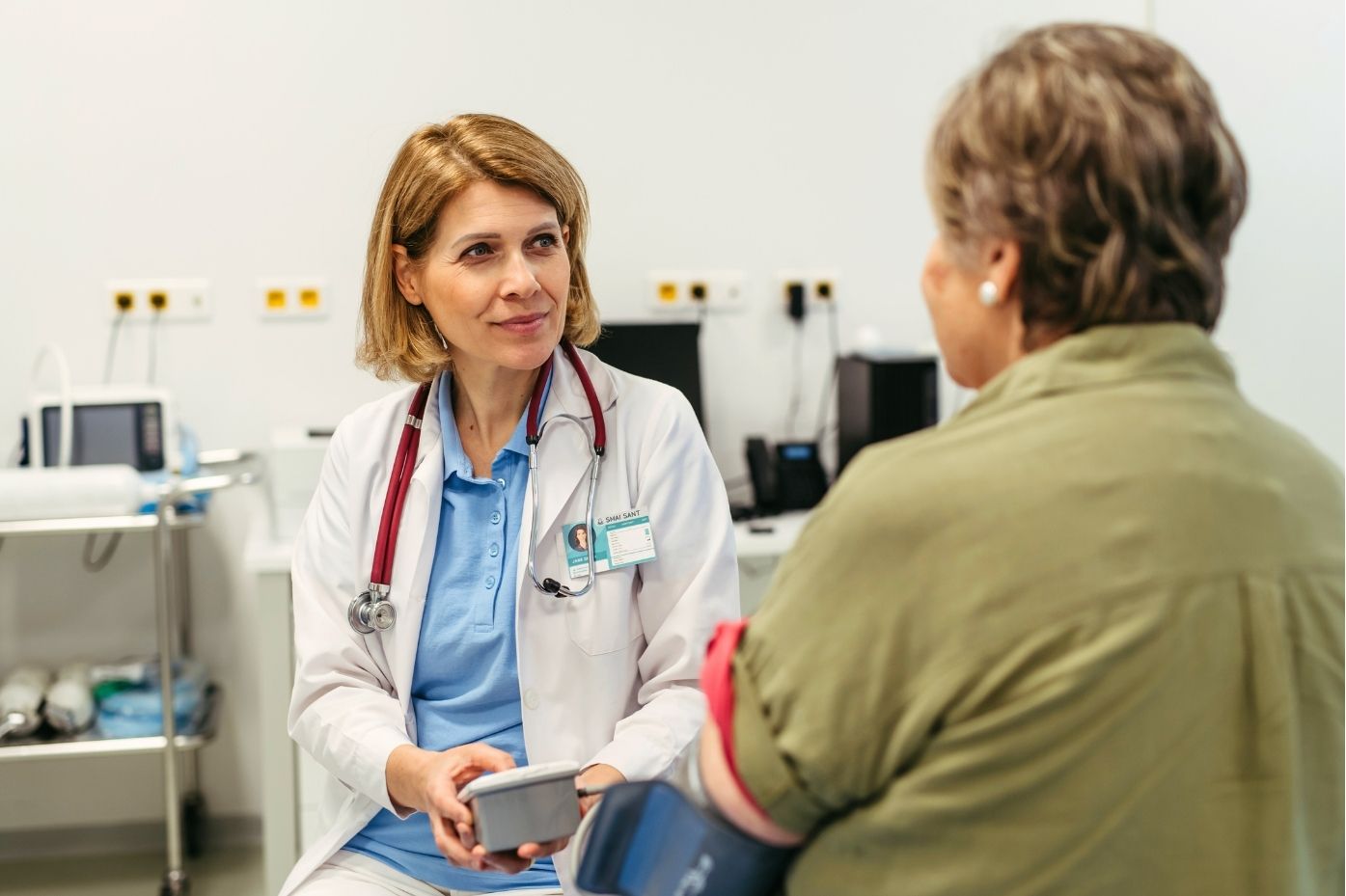
Improving Quality Measures and Patient Experience
One of the most significant outcomes of the program is its effect on BHA’s UDS hypertension control measure. More accurate home readings paired with timely medication adjustments contributed to measurable improvements in our overall hypertension outcomes.
Patients also shared positive feedback, highlighting:
- Convenience—no need to travel to the clinic for frequent BP checks
- Confidence in knowing their provider sees real-time data
- Peace of mind that their blood pressure is being monitored between appointments
Remote monitoring shifts hypertension care from reactive to proactive—catching issues early, supporting patients consistently, and preventing serious complications.
What’s Next: Expanding and Strengthening the Program
The results of the initial PDSA (Plan-Do-Study-Act) cycle show that remote patient monitoring offers exceptional value to patients and the health system. Based on these findings, BHA is exploring several next steps:
Enhancing Patient Education
We plan to strengthen training and resources for patients who struggle with cuff use, technology, or understanding their readings.
Addressing Barriers to Engagement
From connectivity challenges to usability concerns, our care team will continue working closely with patients to ensure long-term success.
Expanding to More Patients
Given the program’s effectiveness, BHA is evaluating expansion opportunities, which may include:
- More adults with uncontrolled hypertension
- Postpartum patients at risk for preeclampsia
- Pediatric patients with rising blood pressure concerns
- Integration with other chronic disease programs, such as diabetes and obesity management
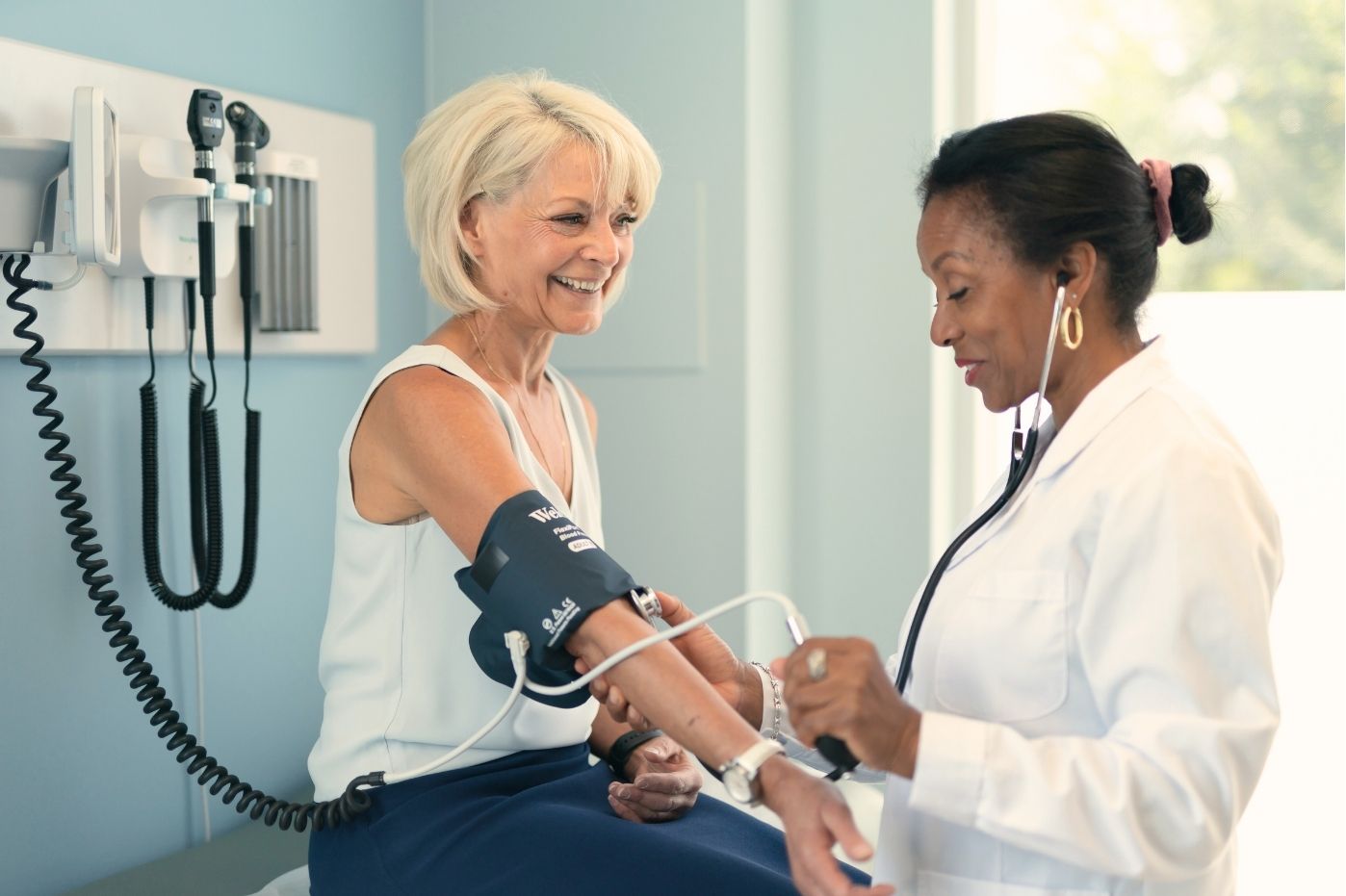
Incorporating Additional Remote Monitoring Tools
Future phases may include the addition of:
- Remote scales
- Glucometers
- Activity trackers
These will help broaden BHA’s chronic disease management capabilities.
Assessing Staffing and Infrastructure
Because the program is succeeding and growing, BHA will consider new staffing or technology investments to support continued expansion.
The Bottom Line: Better Care Through Better Data

The Rimidi remote blood pressure monitoring program has already transformed how we care for hypertension at Brevard Health Alliance. With 97% of patients achieving controlled blood pressure, the program shows how real-time data, strong patient engagement, and team-based care can dramatically improve health outcomes.
As we continue expanding and refining this initiative, our mission remains the same: to provide high-quality, patient-centered care that truly meets the needs of the Brevard community.
Remote patient monitoring is more than a new tool—it’s the future of chronic disease management, and at BHA, it’s helping our patients live healthier, safer, and more empowered lives every day.

If you’ve been feeling tired all the time, gaining weight even when you’re eating healthy, or just can’t seem to shake that sluggish feeling,…
Chickenpox is often remembered as a routine childhood illness — itchy spots, a week home from school, and then life back to normal. But as a…